Over the past few months, a number of residents have raised concerns about the increasing use of bright outdoor lighting on some properties. These comments focused on its impact on neighbouring homes and Greyton’s beautiful dark skies – this prompted us to explore if lighting has an impact on the natural environment in our village. What we found was surprising: beyond obscuring the stars, excessive lighting can affect local wildlife, waste energy and, contrary to popular belief, may not even improve security.
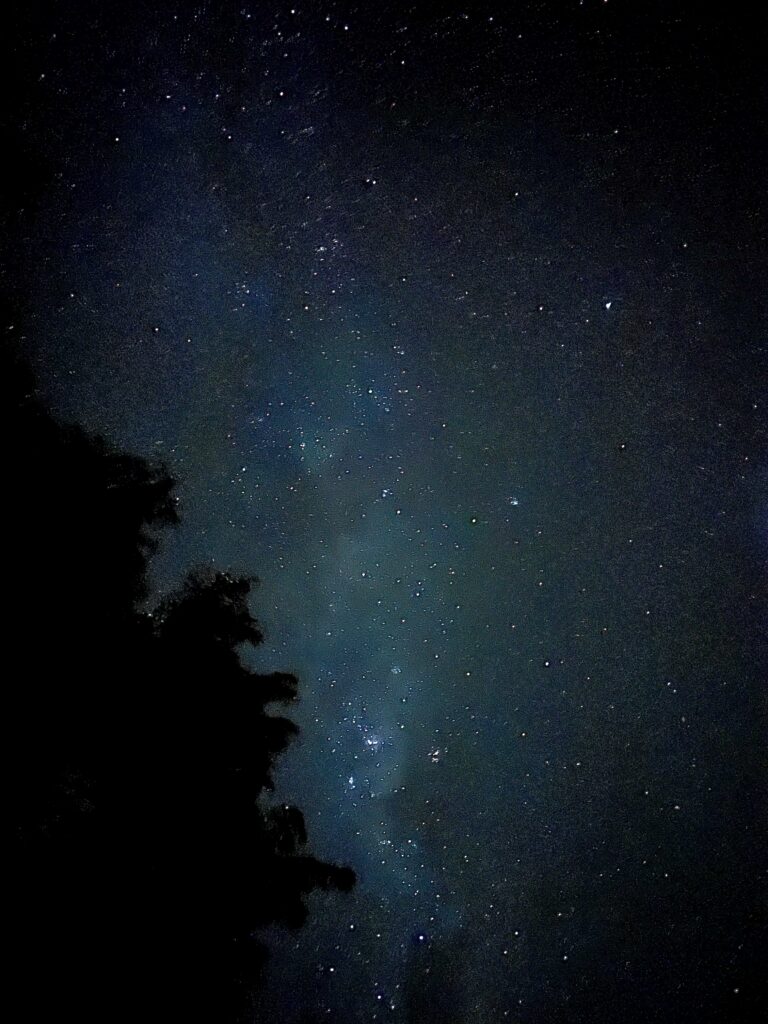
One of Greyton’s greatest natural assets is its dark night sky. On a clear evening, the Milky Way stretches overhead—a sight that has become increasingly rare as artificial lighting spreads. Protecting our dark skies is about more than enjoying the stars; it also benefits wildlife, saves energy and helps preserve the peaceful character of our valley.
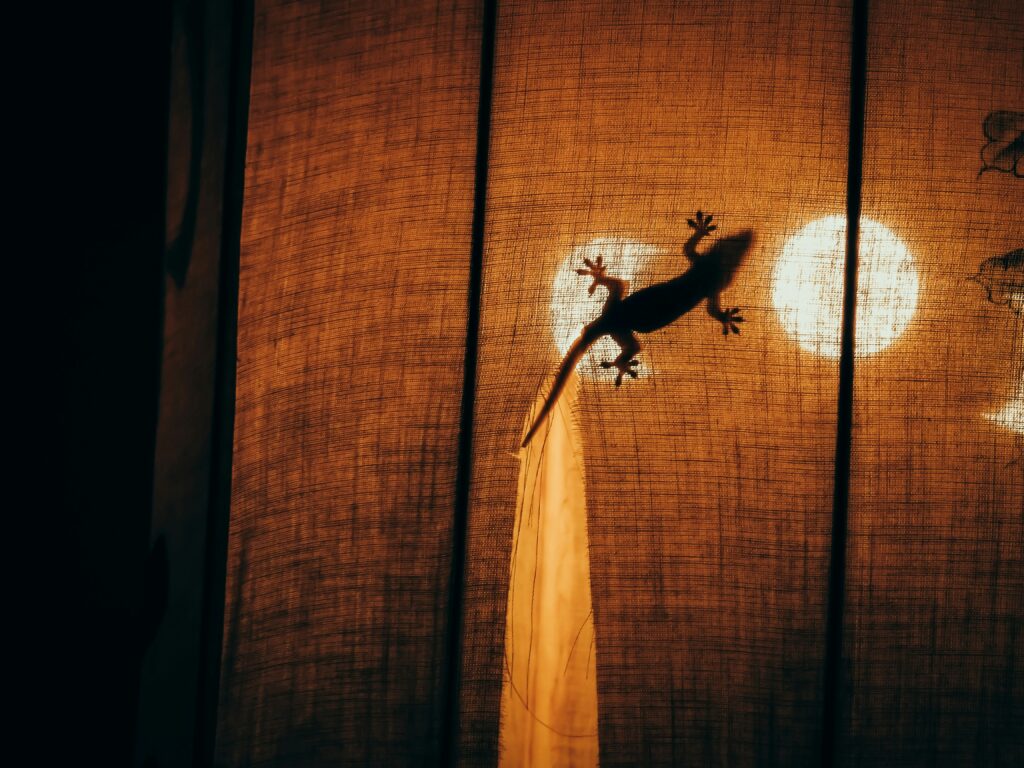
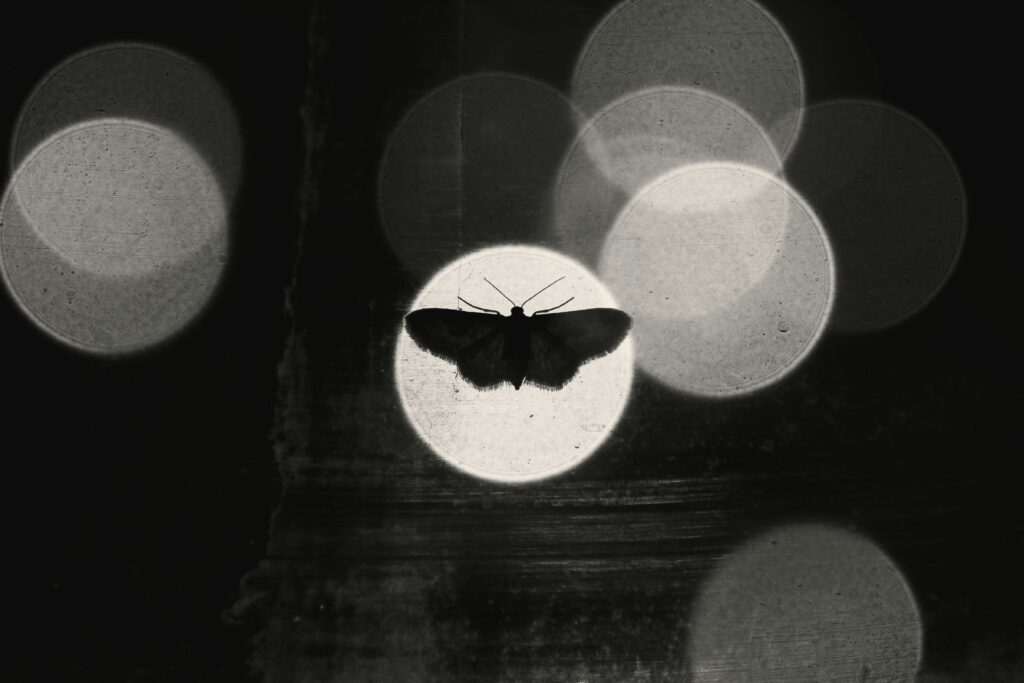
Many animals found in the Overberg depend on natural darkness. Moths and other nocturnal insects are drawn to artificial lights, where they spend hours circling lamps instead of feeding, pollinating flowers or reproducing. This leaves them exhausted and more vulnerable to predators, contributing to declining insect numbers. Fewer insects also mean less food for bats, frogs, geckos and many birds that rely on them.
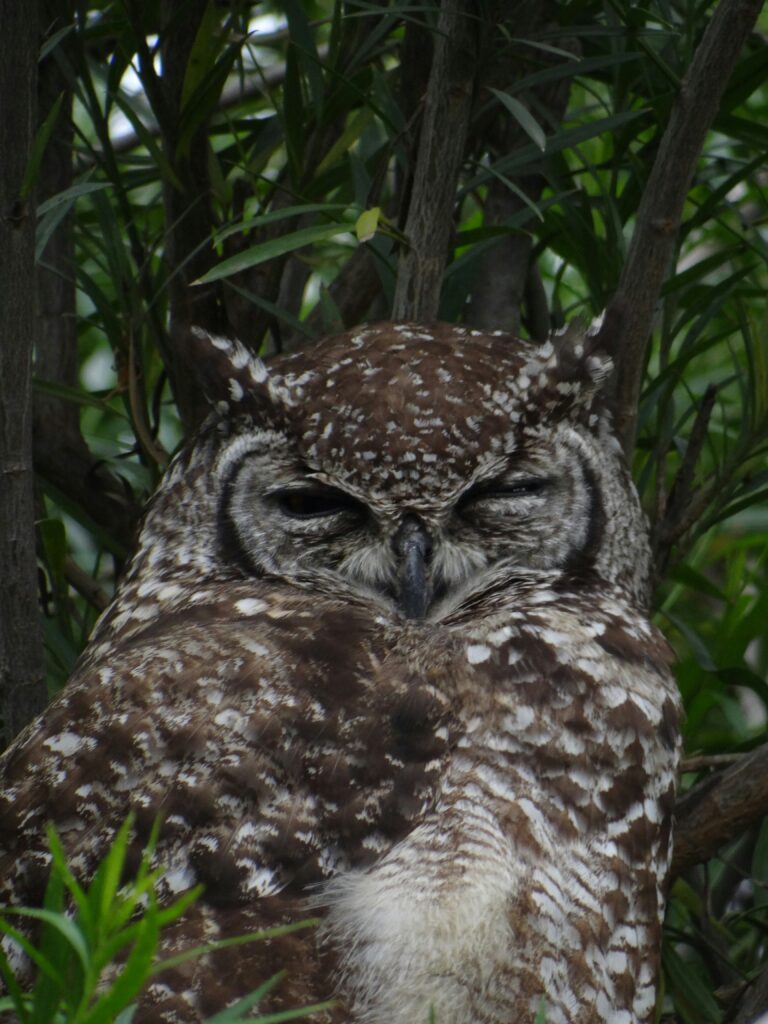
Owls, nightjars and other nocturnal birds rely on darkness to hunt, while bats often avoid brightly lit areas, reducing their natural control of insect populations. Even small mammals, reptiles and many insects alter their behaviour when nights become artificially bright.
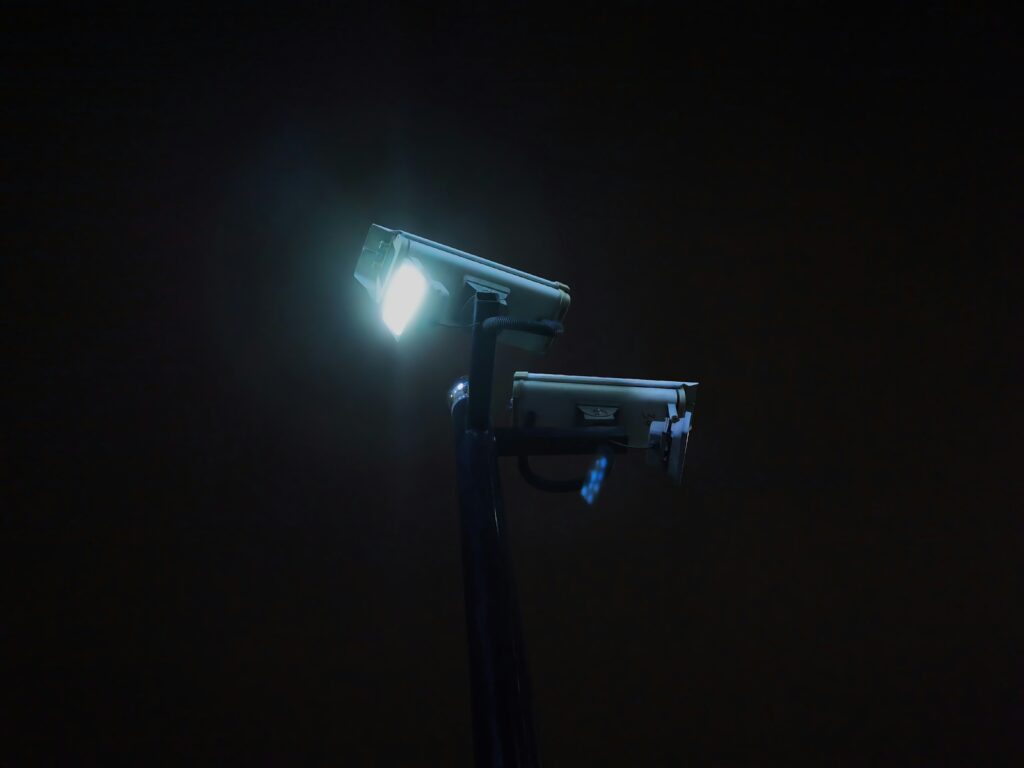
Surprisingly, leaving lights on all night is not necessarily an effective way to deter burglars. Studies have found little evidence that constant lighting reduces burglary and, in some cases, it may even help offenders by illuminating paths, gates and entry points. Bright, unshielded lights can also create glare and deep shadows, making it harder for neighbours or homeowners to notice suspicious activity. Motion-activated lighting is generally considered a more effective security measure because it draws attention to unexpected movement while avoiding unnecessary illumination.
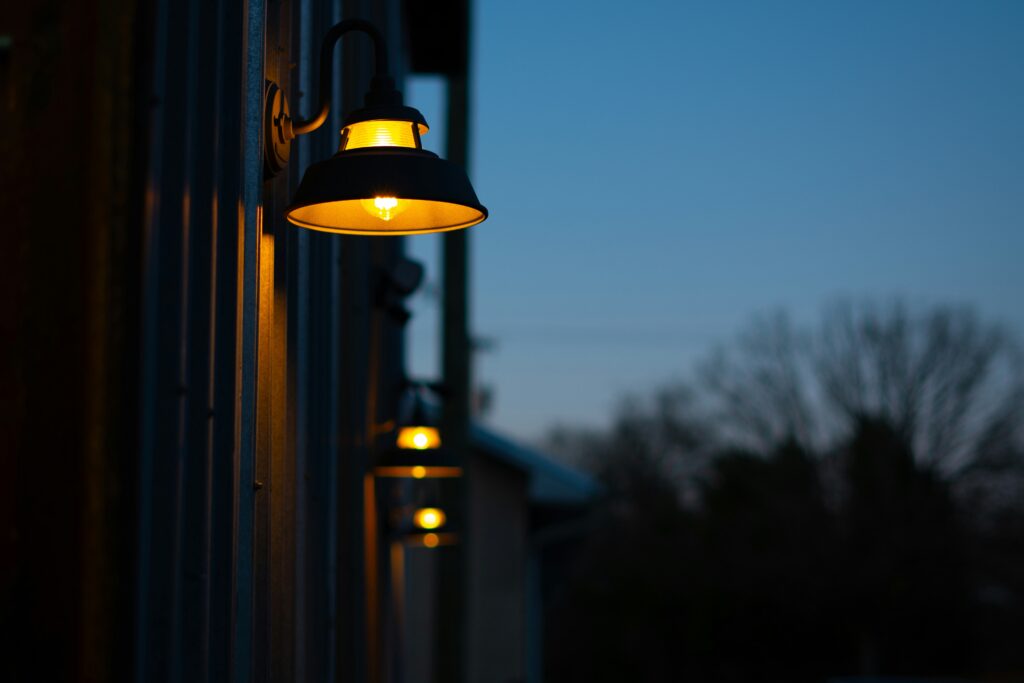
A better approach is to use warm-coloured, downward-facing lights with motion sensors. These provide light only when needed, reduce energy consumption and minimise impacts on wildlife.
By using outdoor lighting thoughtfully, Greyton can preserve one of its most treasured natural assets while helping to protect the rich diversity of wildlife that shares our valley. Sometimes, the best thing we can do for nature—and for ourselves—is simply to let the night be dark.
In the next issue of The Greyton Post, Mike Kock (retired wildlife vet and member of Greyton Conservation Society) will discuss – using evidence-based research – the impact of bright light at night on our natural environment.