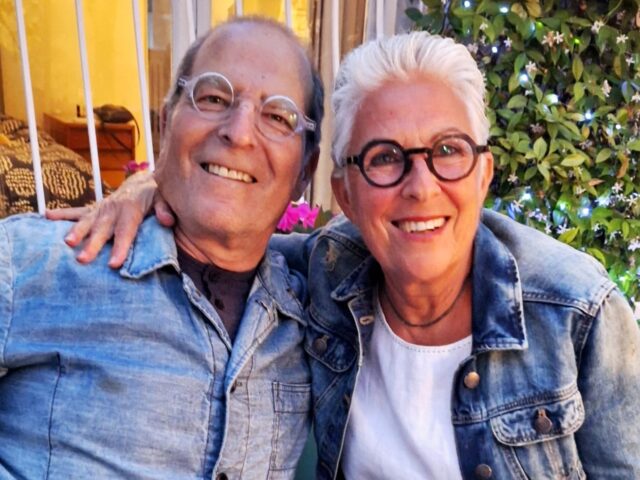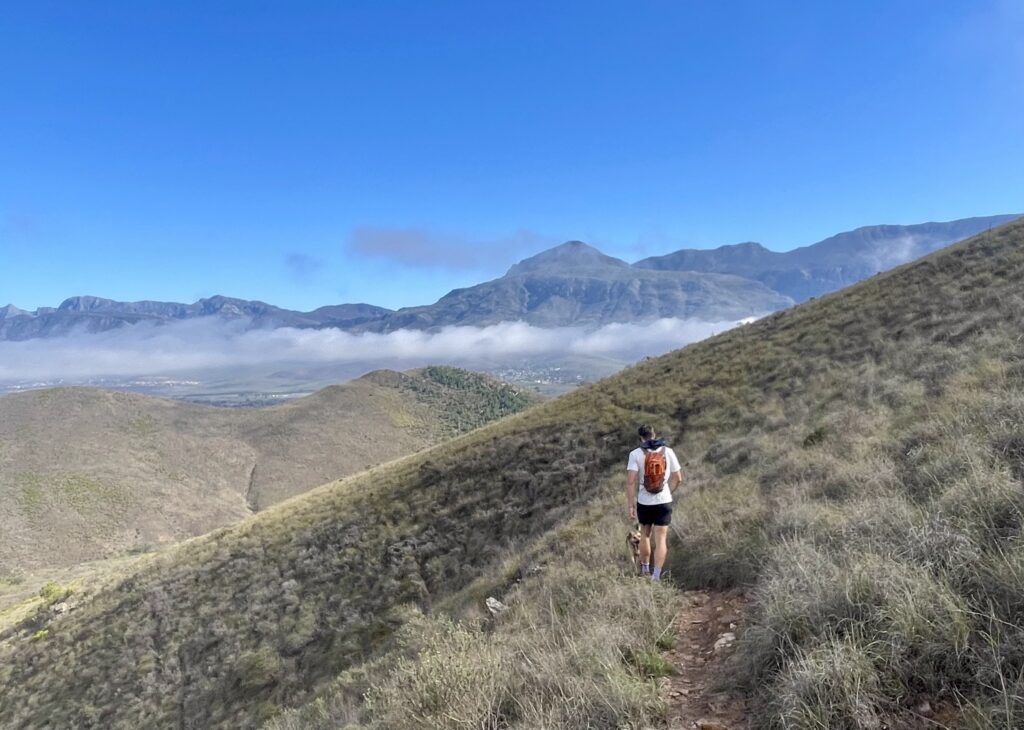
We caught up with Greyton’s own Harry Ansley—hiking guide, outdoor enthusiast, and trained first responder—whose experience ranges from instructing at Quest Africa to summiting Mount Kilimanjaro at just 16. With winter settling into the Overberg, Harry shares practical, no-nonsense advice for staying safe on the trails.
One of the biggest mistakes he sees? Overconfidence. “People overestimate how far and fast they can hike, and underestimate how much water they need,” he explains. It’s often a mix of inexperience and overconfidence in their fitness levels – both of which can quickly turn a simple outing into a rescue situation. His rule is simple: always pack more water than you think you’ll need, then add another litre. Alongside that, food is essential. “By the time you feel hungry, your body is already running low on fuel.” Small, regular snacks—like bananas or energy bars—keep energy levels steady.
Footwear is another common issue. Blisters can ruin a hike and are usually caused by shoes that aren’t properly worn in. Comfortable, tested footwear—and even a spare pair of socks—can make all the difference between a pleasant walk and a painful one. Vaseline between toes helps too.
For those new to Greyton, Harry’s core safety rules are straightforward: tell someone your planned route and expected return time, stick to established trails, and always carry something warm and waterproof. “Weather can change quickly, even on a mild day.”
Winter, however, brings its own risks. Cold and wet conditions increase the danger of exposure. “A sudden worsening of the weather can severely challenge even strong hikers,” he says. Warm layers, waterproof gear, gloves, and even a thermos with a hot drink are worthwhile additions. And perhaps most importantly: know when to turn back. “Don’t try to tough out a storm—you will lose.”
Hiking alone isn’t something he recommends, especially for those unfamiliar with the area. But if you do go solo, careful planning is vital. Choose routes with mobile reception, carry a basic first aid kit (and know how to use it), and never leave the trail.
His early experience on Kilimanjaro shaped a lasting mindset: respect nature, prepare thoroughly, and always think ahead. “Before any hike, I ask myself—if something goes wrong, how do I get out?”
It’s a simple question, but one that could make all the difference.
For guided hikes, call Harry @HikeGreyton: 066 226 5839