There are many perfectly sensible reasons to leave Greyton. The shops close when you most need one last, crucial ingredient. Opinions, on water use, dogs, fences, fires, speed limits, litter, policing, noise and whose responsibility it all is, are expressed with a confidence normally reserved for constitutional scholars.
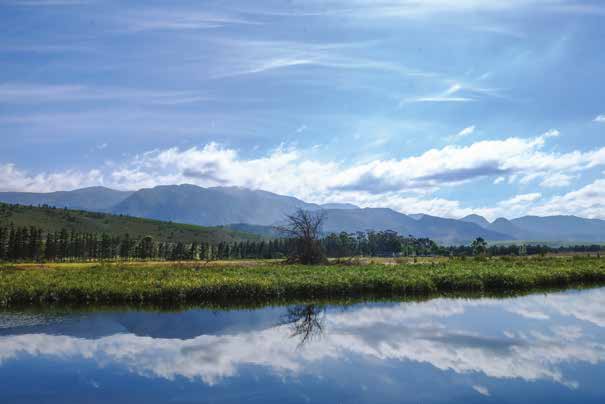
And yet. Despite all this (or perhaps because of it), we stay. Or, like the swallows, we leave for a while and then come circling back, oddly reassured to see the same rooftops, the same mountains, and yes, the same conversations, still in full voice.
Greyton has personalities. Not just people — personalities. They arrive fully formed, often accessorised with hats, principles, and a firm grasp on how things ought to be done. They are generous, maddening, thoughtful, contradictory, and deeply invested. They care, sometimes noisily, sometimes at length, and sometimes entirely incorrectly — but they care. And that, it turns out, is the glue.
But here’s the thing: when it actually matters, Greyton turns up. When fires tear across the hills, the village doesn’t debate, it moves. Bakkies appear. Radios crackle. GVF respond tirelessly. People who were arguing last week stand shoulder to shoulder, blackened with smoke, sharing water, food, and quiet determination.
These moments reveal the truth beneath the everyday irritations: Greyton is not always efficient, but it is resilient. Not always smooth, but profoundly connected.
So yes, Greyton can be trying. It can be stubborn, opinionated, and occasionally exhausting. But it is also brave, generous, and quietly dependable when it counts. Which is why, like the swallow, we keep coming back. Not because it’s perfect — but because, in the moments that matter, it shows us exactly who it is.