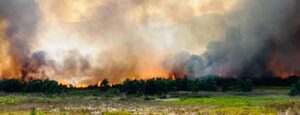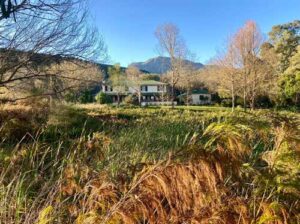
Horses are herd animals with specific needs, and their welfare depends on good care, proper nutrition, and safe social interaction. In Greyton and surrounding areas, recent fires have devastated much of the grazing land, making it even more important for owners and the community to watch the horses’ condition closely.
A healthy horse thrives on forage, water, and companionship. After a fire, pastures may be sparse, so owners must try to supplement with hay or quality feed to prevent excessive weight loss. Monitoring body condition regularly is key: horses should have a smooth, slightly rounded appearance, with ribs that can be felt but are not sharply visible.
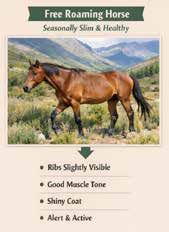
It can be challenging to distinguish a naturally lean, free-roaming horse from one that is underweight due to insufficient feeding. A wild or ‘seasonally slim’ horse may have visible ribs but maintains good muscle tone, a shiny coat, and alert behavior. In contrast, an underweight horse often shows sunken areas over the spine and hips, prominent shoulder bones, a dull coat, low energy, and may appear generally weak.
Even if a horse looks thin but is alert, has some muscle, and a shiny coat, it may be coping. But once you see prominent bones, sunken areas, dull coat, and weakness, the horse is in serious danger and needs urgent intervention: please contact GAWS outreach for advice and assistance.
Every bit of support helps, but it’s best to seek guidance through GAWS rather than trying to solve issues independently. Caring for a horse, especially after environmental challenges like major fires, requires vigilance, compassion, and knowledge.